Comparison
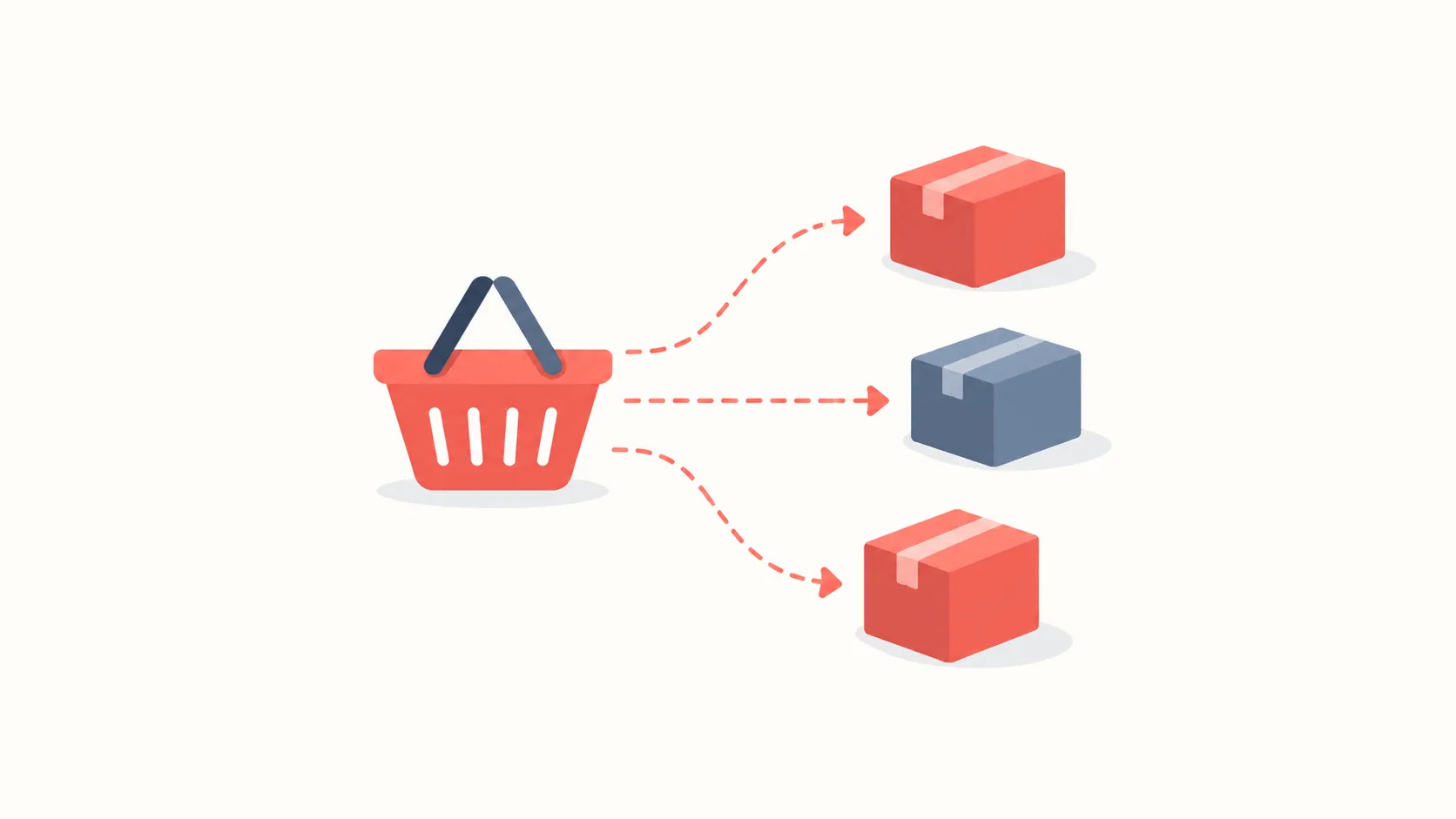
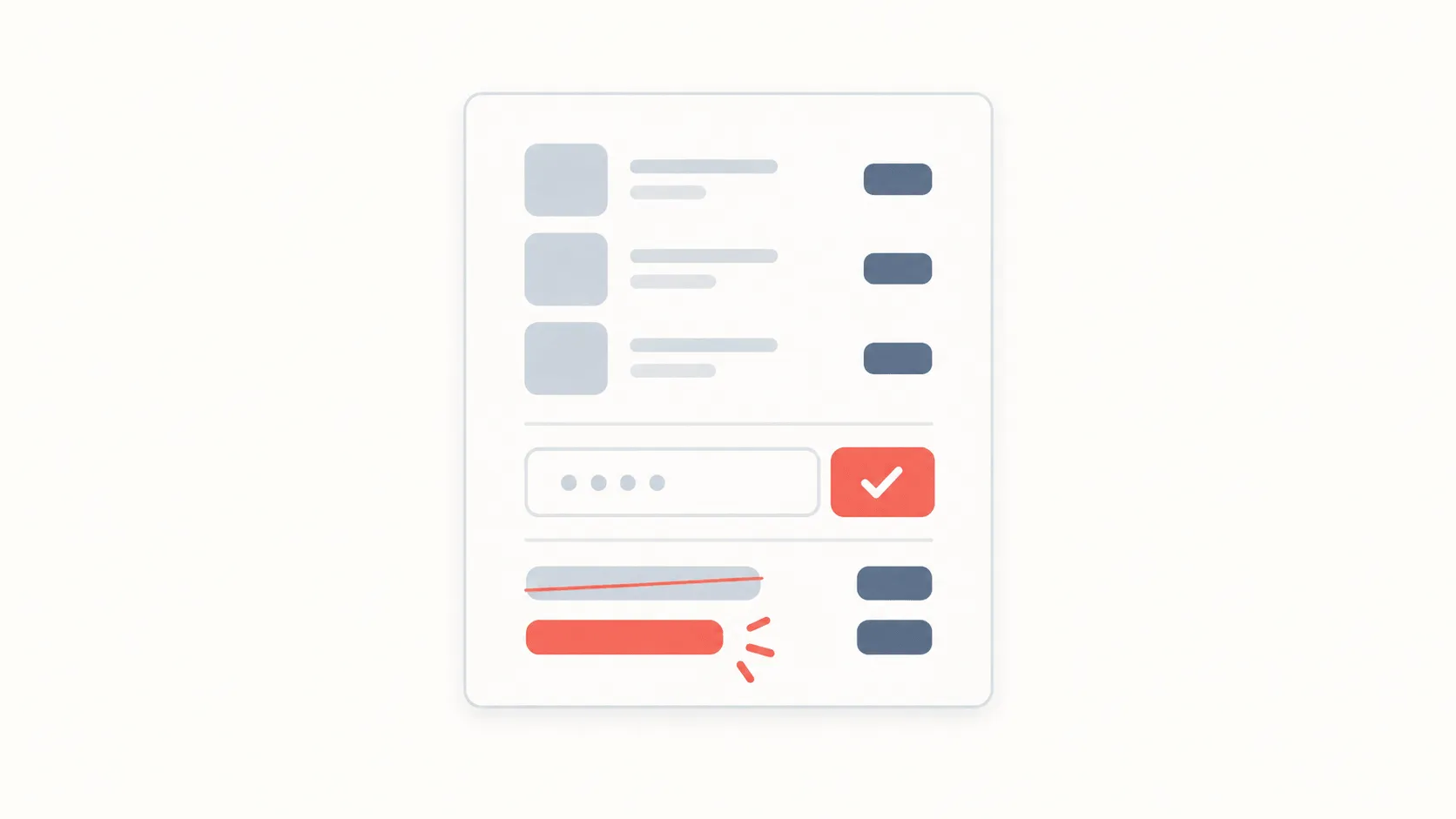
Korzinka cashback or promocode: which one saves more
Cashback and promocodes are calculated differently and behave differently on one order. How to work out which is worth more for your basket.


Guides on applying Uzbekistan store promocodes, reading conditions, and finding verified offers.
Verified content
Cashback and promocodes are calculated differently and behave differently on one order. How to work out which is worth more for your basket.
Here the code depends on how you installed the app. Why it works that way, and what happens if you do it in the wrong order.
Read moreThe JETT investment service opens inside another company's app, so the code goes somewhere unexpected. On what a bonus is, and what it is not.
Read moreA trial is not a discount and behaves differently. Where the code goes, when the clock starts, and what happens when it stops.
Read moreSaving on Yandex Market comes in two forms: a promocode that works now and points you spend later. Which is worth more when, and what to check.
Read moreA discount on an in-app subscription may not apply if you pay through the App Store or Google Play. Why that happens and what to do about it.
Read moreBellissimo Pizza discounts usually work in the app and not on the website. On minimum order value, delivery zones, and the first-order condition.
Read moreA discount on a subscription behaves nothing like one on a single purchase. On first periods, renewal pricing, annual billing, and cards from Uzbekistan.
Read moreIn a bank the offer attaches to the card, not to a purchase. A practical guide to the referral code, cashback categories, and the caps that limit them.
Read moreIn Uklon a promocode applies to a price that is not fixed. How the percentage discount is calculated, what the cap is, and why the code sometimes gives less.
Read moreIn payment apps the saving comes from cashback and subscriptions rather than a promocode. Which mechanism applies when, and what to check.
Read moreWhere the Uzum Market promocode field is, why a seller restriction blocks a code, and what happens when an order is split into shipments.
Read moreWhere the Yandex Eats promocode field is, how the first-order condition works, and why the delivery fee is not covered by the discount.
Read moreWhere the promocode field is, which conditions block a code, and what to do when it is rejected — a step-by-step guide.
Read moreThe blog exists to answer common promocode questions more clearly. Its purpose is to help readers understand an offer’s conditions, expiry, and checkout use—not simply copy a code. Every article is written around practical steps a reader can follow in a real shopping flow.
Article topics come from common questions about Uzbekistan stores, payment services, and delivery apps. We explain where to enter a code, why it may be rejected, and what a first-order condition means. These guides do not replace a merchant’s official rules; they are designed to help readers read and interpret those rules correctly.
When preparing content, we consider the offer type, restrictions, and practical checkout sequence. If a general tip relates to a specific brand, readers can use the relevant store or brand listing for current offers. Promocodes change over time, so an article’s principle should always be checked against the live offer card and the merchant’s final checkout page.
Every article displays a publication date and an updated date. An update may reflect new information, a clarified sentence, or a review of steps that matter to shoppers. The date is not decorative: it helps a reader judge how current the information is for promocodes and time-limited campaigns.
Articles are published under Jahongir Ergashev, PromoBozor’s founder and editor. This makes the authorship source clear and tells readers whose editorial method is behind the material when they have a question or correction. Advice in an article never guarantees a result or a discount, because the merchant sets the final rule.
If you find an outdated step, an unclear condition, or an example that does not match your situation, reporting it is useful. Reader feedback helps make the material more practical. A trustworthy guide is not a text that never changes; it is content that is openly reviewed when needed and puts the reader’s interest first.